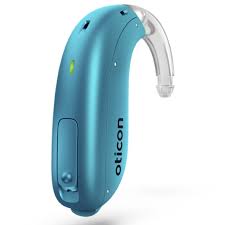
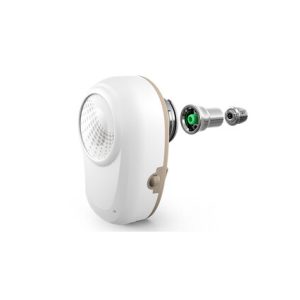
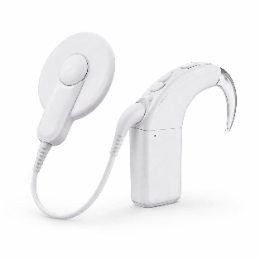
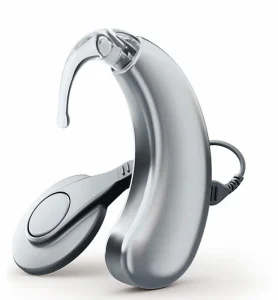
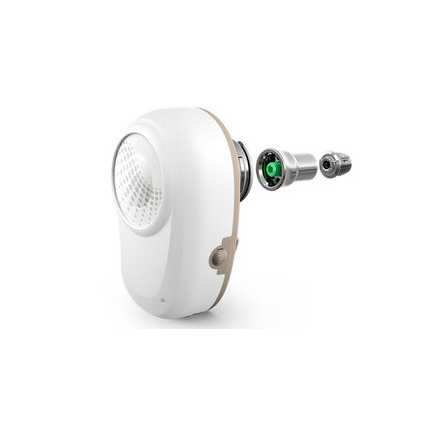
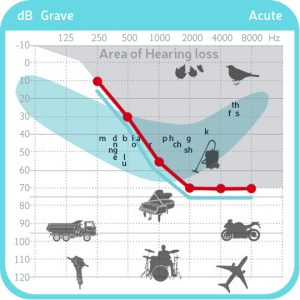
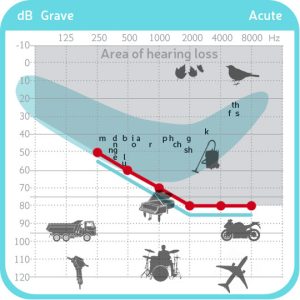
Hearing aids are available in a variety of styles and are recommended based upon individual hearing levels, audibility requirements and individual preferences.
Considerations:
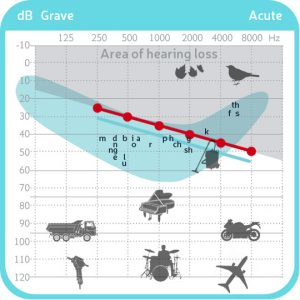
Audiometric configuration
Style
Features
Monaural vs Bilateral
Usage
Compatibility with RM access technology
Individual expectations and limitations
Outcome measures
Styles of Hearing Aids:
Behind-the-ear (BTE)
In-the-ear (ITE)
In-the-canal (ITC)
Completely-in-the-canal (CIC)
Receiver-in-the-ear (RITE or RIC)
Features of Hearing Aid Technology
Advanced features in hearing technology are now available to improve audibility. These features can be enabled by the audiologist
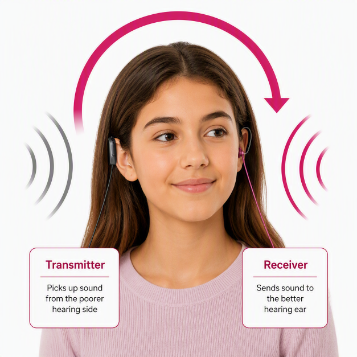
Hearing aids may not appropriate due to anatomical differences, active middle ear disease or single sided deafness and a bone conduction device is a reasonable option.
These devices transmit sound directly to the cochlea via skull bone vibrations.
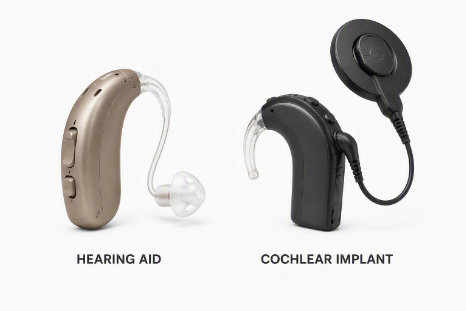
Bimodal is a combination of using a hearing aid with acoustic input on one ear and a cochlear implant and electrical input on the other ear.
Considerations:
Individual expectations and limitations — combining acoustic and electric input can improve sound quality, music perception, and localization, but benefit varies
Compatibility with RM access technology, including bimodal streaming/synchronization between the hearing aid and cochlear implant processor
Outcome measures — use validated tools (e.g., speech-in-noise testing, sound source localization, questionnaires) to document bimodal benefit and guide device programming over time